
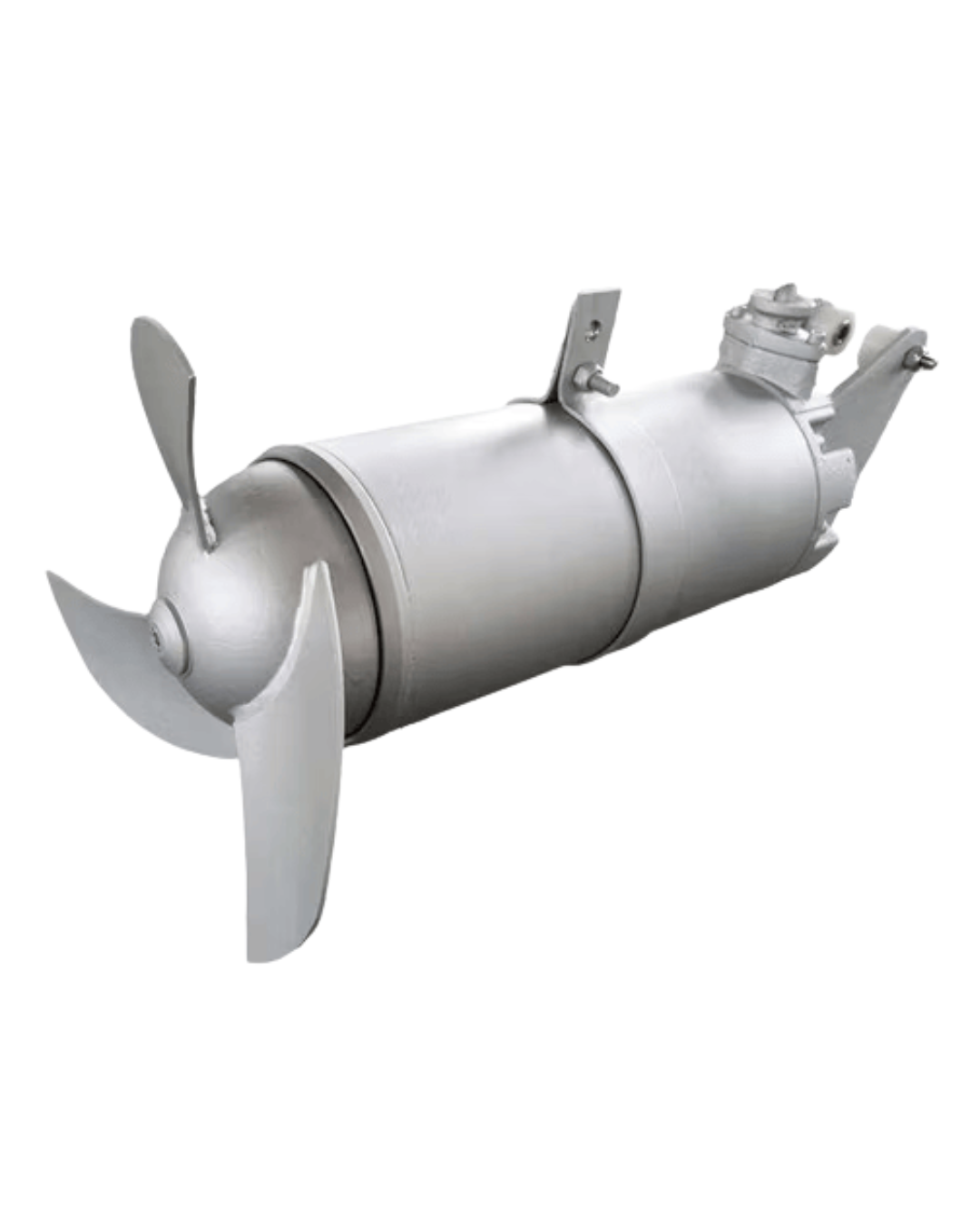
Submersible Mixer In India: The Complete Guide for Selection, Types, and Maintenance
In industrial and wastewater treatment applications, a submersible mixer In India plays a crucial role in ensuring homogenous mixing, preventing sedimentation, and improving process efficiency. Designed to operate while fully submerged, submersible mixer In India are widely used in municipal, agricultural, and industrial settings.
Choosing the right submersible mixer isn't just about power or price; it involves a comprehensive understanding of system requirements, fluid characteristics, and mechanical performance. This article dives into everything you need to know about, including types, selection processes, factors to consider, and maintenance.
Explore:
Industrial Agitators In India
Industrial Process Pumps In India
Types of Submersible Mixers
Submersible mixer come in different designs tailored to specific use cases. Understanding the types of submersible mixers can help narrow down your selection:
-
Axial Flow Mixers: These are best for applications requiring gentle mixing over large volumes, such as in anaerobic digesters or oxidation ditches.
-
Radial Flow Mixers: These are used for high-intensity mixing in smaller tanks or tanks that require rapid suspension of solids.
-
Low-Speed Submersible Mixer: Ideal for large tanks where energy efficiency and long mixing cycles are needed.
-
High-Speed Submersible Mixer: Useful in small basins or tanks requiring intense mixing in short bursts.
-
Propeller-Type Submersible Mixers: Often used in wastewater treatment plants to keep solids in suspension and promote biological processes.
Choosing from these types of submersible mixers depends on several performance and environmental factors discussed in the next sections.
Selection Process Overview
The selection process overview for a submersible mixer involves a step-by-step analysis of operational needs and equipment capabilities. Here's a breakdown:
-
Identify the Mixing Objective: Clarify whether the mixer is needed for blending, solids suspension, or preventing sedimentation.
-
Analyze Fluid Properties: Understand the viscosity, density, and solid content of the medium.
-
Determine Tank Size and Geometry: The shape and volume of the tank directly influence mixer size, blade type, and installation method.
-
Evaluate Power and Efficiency: Assess the required motor power, speed, and energy consumption for optimal performance.
-
Confirm Environmental Conditions: Temperature, chemical exposure, and the presence of explosive gases must be accounted for.
This selection process overview ensures that your chosen mixer performs efficiently while being cost-effective over time.
Factors Influencing Submersible Mixer Selection
Numerous technical and operational factors influence submersible mixer selection, including:
-
Mixing Intensity and Flow Rate: High-flow mixers are suited for large tanks with low mixing needs, whereas intense mixing requires high-torque equipment.
-
Solids Handling Capacity: For tanks containing sludge or fibrous materials, propeller design and motor strength are critical.
-
Installation Configuration: Wall-mounted, floor-mounted, or rail-mounted mixers offer different benefits depending on tank design.
-
Energy Efficiency: With rising energy costs, selecting energy-efficient motors can significantly reduce long-term operational expenses.
-
Material Construction: In corrosive or abrasive environments, stainless steel or coated components are preferred for durability.
Understanding these factors influencing submersible mixer selection helps in choosing a mixer that’s both effective and long-lasting.
Additional Considerations for Submersible Mixer Selection
Beyond technical specifications, there are additional considerations for submersible mixer selection that can affect operational success:
-
Noise Levels: For applications near residential areas, low-noise models may be required.
-
Ease of Installation and Removal: Mixers with guide rail systems allow easy maintenance without draining the tank.
-
Integration with SCADA/Automation: For advanced facilities, compatibility with digital monitoring systems is crucial.
-
Supplier Reputation and Support: Choosing a reputable supplier ensures better after-sales service and technical guidance.
These additional considerations may not be immediately apparent but play a critical role in the long-term satisfaction with your submersible mixer.
Tips for Selecting a Submersible Mixer
Here are some expert tips for selecting a Submersible mixing equipment that suits your specific application:
-
Conduct a Site Survey: Real-world measurements and observations provide more reliable data than design drawings alone.
-
Simulate Mixing Requirements: CFD (Computational Fluid Dynamics) modeling can predict mixer performance under varying conditions.
-
Choose Modular Designs: Mixers with interchangeable components are easier to service and upgrade.
-
Check Warranty and Service Packages: Long warranties and local service centers can reduce downtime.
-
Request a Trial or Demo: Some suppliers offer pilot models that let you test the mixer in real conditions.
Following these tips for selecting a Submersible mixing equipment In India can help prevent over- or under-sizing, ensuring long-term reliability and performance.
Detection and Maintenance for Submersible agitator
Once installed, detection and maintenance for Submersible agitator are critical to ensuring optimal performance and avoiding unexpected failures:
-
Routine Inspections: Check for vibrations, noise, or irregular mixing patterns that might indicate wear or blockage.
-
Bearing and Seal Monitoring: Bearings and mechanical seals are common failure points. Using sensors can provide early warnings.
-
Motor Temperature Checks: Overheating often indicates overloading or poor electrical connections.
-
Cleaning: Prevent the buildup of sludge, hair, or debris around the impeller and motor housing.
-
Lubrication and Alignment: Proper lubrication and shaft alignment extend the mixer’s operational life.
Efficient detection and maintenance for Submersible agitator not only improves uptime but also enhances safety and reduces energy costs.
Additional Considerations
When investing in a Submersible agitator, here are a few additional considerations you shouldn't ignore:
-
Environmental Regulations: Make sure the equipment complies with local noise and pollution control laws.
-
Emergency Shutoff Capabilities: Especially important in hazardous environments.
-
Training and Documentation: Ensure staff is trained to operate and maintain the equipment safely and efficiently.
-
Energy Incentives: Some governments offer rebates for energy-efficient Submersible agitator.
Taking these additional considerations into account ensures regulatory compliance and sustainable operation.
FAQs Submersible mixing equipment
1. What is a Submersible agitator used for?
A Submersible mixing equipment is used to mix liquids and solids in tanks or basins, often found in wastewater treatment, industrial mixing, and chemical processing plants.
2. How do I choose the right type of Submersible mixing equipment?
Choose based on the tank size, fluid properties, and mixing goals. Refer to the selection process overview and consider the types of Submersible mixing equipment available.
3. What are the key factors influencing Submersible mixing equipment selection?
Important factors include mixing intensity, energy efficiency, solids content, tank geometry, and material compatibility.
4. How often should Submersible mixing equipment be maintained?
Routine inspections should be done monthly, while comprehensive maintenance like seal replacement is typically scheduled annually.
5. Can Submersible agitator be automated?
Yes, modern Submersible agitator can be integrated with SCADA systems for remote monitoring and automated control.
Summury
Selecting the right Submersible agitator involves more than just comparing prices. You must consider the type, installation requirements, energy efficiency, and maintenance needs. By understanding the factors influencing Submersible agitator selection and following expert tips for selecting a Submersible agitator, you can ensure reliable performance and long-term cost savings.
Whether you're planning for a new installation or upgrading an existing system, this guide provides a comprehensive overview of everything you need to make an informed choice in Submersible agitator.