
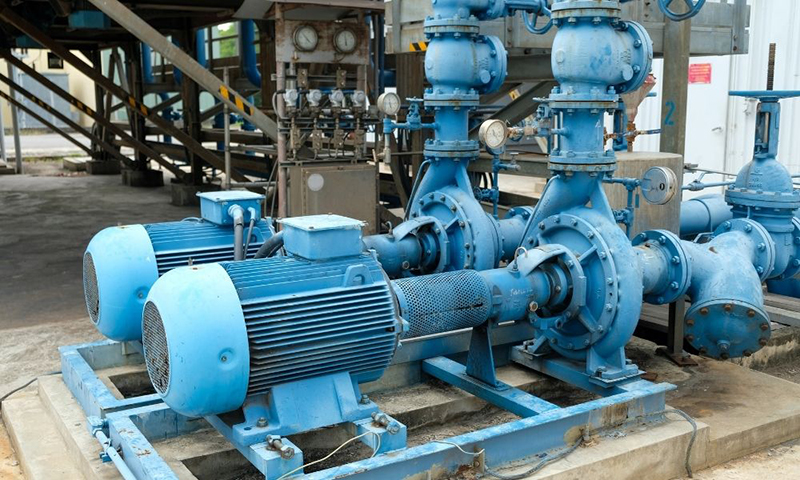
In the vast landscape of Industrial Process Pumps In India operations, process pumps stand as unsung heroes constantly in motion, transferring fluids, maintaining system pressure, and ensuring seamless production flow. Whether it’s in chemical manufacturing, water treatment, oil refining, or food processing, these pumps are critical components that keep industries running efficiently and safely.
Read More
Stirrer: The Ultimate Mixing Tool
Agitator for Water Treatment Plant
What Are Industrial Process Pumps In India?
An industrial process pump is a mechanical device designed to move liquids, slurries, or semi-solid materials within a manufacturing or processing environment. Unlike standard pumps, process pumps are engineered for continuous operation, high durability, and precise fluid handling under extreme conditions such as high temperature, corrosive environments, or high viscosity fluids.
They are used to transport raw materials, intermediates, and finished products through various stages of a production process. Depending on the industry and the medium being transferred, different types of pumps are used ranging from centrifugal pumps and positive displacement pumps to diaphragm, gear, and screw pumps.
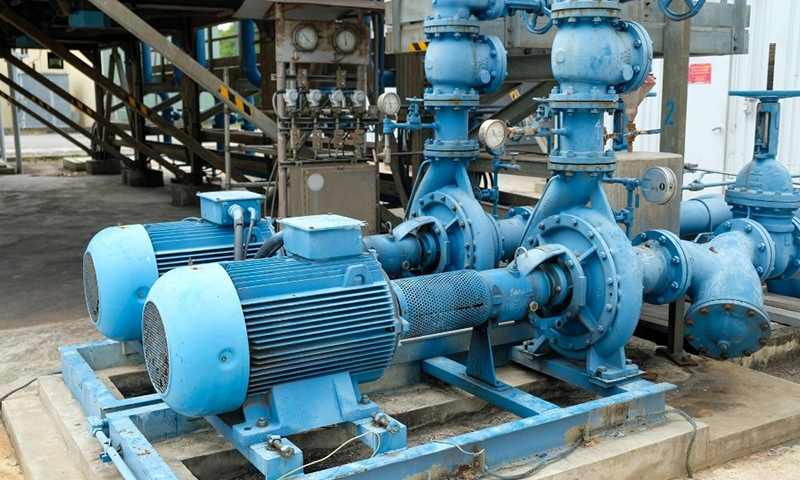
Types of Industrial Process Pumps In India
1. Centrifugal Pumps
Centrifugal pumps are among the most common in industrial settings. They use rotational energy typically from an electric motor—to move fluids through a system. Ideal for low-viscosity liquids like water, chemicals, or thin oils, centrifugal pumps are valued for their simplicity, efficiency, and ease of maintenance.
Applications: Water treatment, chemical manufacturing, HVAC systems, and irrigation.
2. Positive Displacement Pumps
These pumps move a fixed amount of liquid per cycle, making them ideal for viscous or shear-sensitive fluids. They can generate higher pressure than centrifugal pumps and handle fluids with suspended solids.
Common Types: Gear pumps, screw pumps, piston pumps, and diaphragm pumps.
Applications: Food and beverage production, oil and gas, and pharmaceuticals.
3. Diaphragm Pumps
Diaphragm pumps are known for their ability to handle corrosive or hazardous fluids without leakage, thanks to their sealed design. They use a flexible diaphragm that expands and contracts to draw in and push out the fluid.
Applications: Chemical transfer, mining, wastewater treatment, and laboratory processes.
4. Peristaltic Pumps
Also known as hose pumps, peristaltic pumps use a rotating roller mechanism to compress a flexible tube, pushing liquid through it. Because the fluid only contacts the tubing, contamination is minimal, making them suitable for hygienic industries.
Applications: Pharmaceuticals, biotechnology, and food processing.
5. Gear and Screw Pumps
These pumps are used when a steady, pulse-free flow is required. Gear pumps trap fluid between rotating gears, while screw pumps use intermeshing screws to move fluid smoothly and efficiently.
Applications: Lubrication systems, hydraulic applications, and viscous fluid transfer such as bitumen or molasses.
Key Features and Advantages
-
Durability and Reliability: Industrial pumps are designed for long operational lifespans even under demanding conditions, such as high pressure or corrosive fluids.
-
Energy Efficiency: Modern pumps incorporate variable frequency drives (VFDs) and optimized impeller designs to reduce energy consumption.
-
Safety and Compliance: Many pumps comply with industry standards like API 610, ANSI B73.1, or ISO 5199, ensuring safety, reliability, and interchangeability.
-
Low Maintenance: With advanced materials like stainless steel, duplex alloys, or ceramic seals, maintenance intervals are extended, reducing downtime.
-
Custom Engineering: Pumps can be tailored for specific flow rates, temperatures, and viscosities, meeting the exact requirements of specialized industrial processes.
Applications Across Industries
1. Chemical Processing
In chemical plants, process pumps handle a variety of fluids acids, alkalis, solvents, and polymers under extreme temperatures and pressures. Corrosion resistance and leak prevention are top priorities.
2. Oil and Gas
From upstream extraction to downstream refining, pumps are vital for transferring crude oil, natural gas liquids, and refined products. Screw and centrifugal pumps dominate in this sector for their ability to handle high-viscosity fluids.
3. Water and Wastewater Treatment
Pumps move raw water, sludge, and chemicals through treatment cycles. Energy efficiency and resistance to abrasion are key considerations for operators managing large municipal systems.
4. Food and Beverage
Hygienic design is crucial in food processing. Stainless steel positive displacement or peristaltic pumps are used for transferring dairy, sauces, and beverages while maintaining sanitary standards.
5. Power Generation
In thermal power plants, process pumps circulate cooling water, boiler feed water, and condensates. These pumps must handle high temperatures and pressures with reliability.
6. Pharmaceuticals and Biotechnology
Precision and contamination control are essential. Peristaltic and diaphragm pumps are used for transferring active ingredients and sterile fluids without cross-contamination.
Technological Advancements in Industrial Pumps
The industrial pump sector has seen rapid innovation driven by the need for efficiency, sustainability, and automation. Here are some modern advancements:
-
Smart Pumps: Integration of IoT sensors for real-time monitoring of flow, pressure, vibration, and temperature.
-
Predictive Maintenance: Using AI-driven analytics to predict potential failures before they occur.
-
Energy Optimization: VFDs and efficient impeller designs minimize energy losses.
-
Corrosion-Resistant Materials: New composite and alloy materials extend pump life and reduce maintenance frequency.
-
Modular Design: Simplifies servicing and customization for different process configurations.
These innovations collectively enhance productivity, reduce operational costs, and support environmental sustainability.
Maintenance and Reliability Best Practices
Regular maintenance is essential to ensure pumps perform optimally and avoid costly downtime. Key practices include:
-
Monitoring vibration and noise levels to detect mechanical wear.
-
Checking seals and gaskets regularly for leaks.
-
Lubricating bearings as per manufacturer recommendations.
-
Maintaining clean filters and strainers to prevent blockages.
-
Implementing predictive maintenance using digital monitoring tools.
By following these steps, industries can achieve longer equipment lifespans and higher efficiency rates.
Sustainability and Energy Efficiency
Energy consumption by industrial pumps represents a significant portion of global electricity use. To mitigate this, manufacturers and plant operators are focusing on:
-
Pump system optimization rather than just pump efficiency.
-
Variable speed drives that match pump performance to actual process demand.
-
Proper pump sizing to prevent overdesign, which leads to wasted energy.
-
Recycling and reuse systems for process fluids.
These steps contribute to greener operations and align with global sustainability goals such as carbon neutrality and reduced water waste.
Industrial are more than just equipment they are the lifeblood of manufacturing and processing industries. As industries evolve, so do pumps, with innovations in materials, design, and automation enhancing their performance and efficiency.
Choosing the right pump involves understanding the process requirements, fluid characteristics, and operating environment. With smart technologies and a focus on energy efficiency, the next generation of process pumps will continue to set new standards for reliability, performance, and sustainability in industrial operations.
FAQs
1. What is the difference between a process pump and a utility pump?
A process pump handles fluids directly involved in manufacturing or chemical processes, often under harsh conditions. A utility pump, by contrast, is used for general service applications such as water circulation or cleaning and does not require process-grade materials or designs.
2. How do I choose the right industrial pump for my application?
Selecting the right pump depends on factors like fluid type, viscosity, temperature, flow rate, pressure, and material compatibility. Consulting with a pump manufacturer or process engineer ensures the pump meets both performance and safety requirements.
3. What are the common causes of pump failure?
Common causes include cavitation, seal leakage, bearing failure, improper installation, and operation outside of design parameters. Routine inspection and predictive maintenance can prevent most failures.
4. How often should industrial pumps be maintained?
Maintenance frequency depends on the type of pump, operating conditions, and workload. Typically, inspections are done monthly, with comprehensive maintenance scheduled every 6–12 months.
5. What is the role of variable frequency drives (VFDs) in process pumps?
VFDs control the pump’s motor speed, allowing for energy-efficient operation and process flexibility. They reduce wear, prevent surges, and lower overall energy consumption making them essential for modern pump systems.