
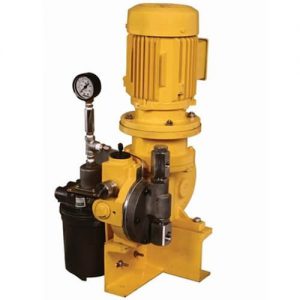
A peristaltic dosing pump is one of the most reliable and precise pumping solutions used in modern industries. From water treatment plants to chemical processing facilities, a peristaltic dosing pump ensures accurate fluid dosing without contamination or leakage. Because of its unique working mechanism, the peristaltic dosing pump has become a preferred choice when handling corrosive, viscous, or sensitive fluids.
Industries that require accurate chemical injection rely heavily on a peristaltic dosing pump because it offers controlled flow rates, easy maintenance, and high reliability. In this guide, we will explore the working principle of a peristaltic dosing pump, its advantages, industrial uses, and why it is considered one of the most efficient chemical dosing pump solutions available today.
What is a Peristaltic Dosing Pump?
A peristaltic dosing pump is a type of positive displacement dosing pump that moves fluid through a flexible tube using rotating rollers or shoes. As the rotor turns, the rollers compress the tube, pushing the liquid forward in a controlled manner.
Unlike traditional pumps, the peristaltic dosing pump ensures that the fluid only comes into contact with the tube, making it ideal for chemical dosing applications where contamination must be avoided.
Because of this design, the peristaltic dosing pump is widely used as a chemical dosing pump, industrial dosing pump, and water treatment dosing pump.
Key characteristics of a peristaltic dosing pump include:
Precise flow control
Leak-free operation
Easy tube replacement
Ability to pump aggressive chemicals
Self-priming capability
These features make the peristaltic dosing pump one of the most reliable solutions for industrial dosing systems.
Peristaltic Dosing Pump Working Principle
Understanding the peristaltic dosing pump working principle helps explain why it is so efficient in dosing applications.
The working mechanism is based on peristalsis, a process similar to how food moves through the human digestive system.
Step-by-Step Working
A rotor with rollers rotates inside the pump housing.
The rollers compress the flexible tube.
As the rotor moves, the compression pushes the fluid forward.
When the tube returns to its original shape, it creates suction that draws more fluid into the tube.
This continuous movement ensures consistent and precise dosing.
Because the liquid only flows inside the tube, the peristaltic dosing pump eliminates the risk of contamination, making it ideal for chemical dosing pump applications.
Advantages of Using a Peristaltic Dosing Pump
The peristaltic dosing pump offers many advantages compared to traditional industrial dosing pumps.
1. High Dosing Accuracy
A peristaltic dosing pump delivers precise fluid volumes, which is essential in chemical processing, pharmaceuticals, and water treatment.
2. No Contamination
Since the fluid only contacts the tube, the peristaltic dosing pump prevents contamination and protects sensitive chemicals.
3. Easy Maintenance
Maintenance is simple because only the tube needs replacement. This reduces downtime and operating costs.
4. Excellent Chemical Resistance
The peristaltic dosing pump can handle aggressive chemicals, acids, and alkalis, making it a popular chemical dosing pump.
5. Self-Priming Capability
Another major advantage of a peristaltic dosing pump is its strong suction power, allowing it to self-prime without additional equipment.
6. Dry Running Capability
Unlike many pumps, a peristaltic dosing pump can run dry without damage, increasing its reliability in industrial operations.
Applications of Peristaltic Dosing Pump
The peristaltic dosing pump is widely used in multiple industries because of its accurate dosing and chemical compatibility.
1. Water Treatment Plants
In water treatment dosing pump systems, the peristaltic dosing pump injects chlorine, sodium hypochlorite, and other chemicals required for purification.
2. Chemical Processing Industry
The peristaltic dosing pump is commonly used as a chemical dosing pump for transferring acids, solvents, and other reactive fluids.
3. Pharmaceutical Industry
Pharmaceutical companies use peristaltic dosing pumps for sterile fluid transfer and precise dosing in production processes.
4. Food and Beverage Industry
In food processing plants, the peristaltic dosing pump helps in dosing flavors, additives, and colorants without contamination.
5. Mining Industry
Mining companies use peristaltic dosing pumps to handle abrasive slurry and chemicals used in mineral processing.
6. Agriculture and Fertilizer Plants
Fertilizer dosing and nutrient injection systems often rely on peristaltic dosing pumps for controlled delivery.
Peristaltic Dosing Pump vs Other Dosing Pumps
When comparing a peristaltic dosing pump with other industrial dosing pumps, several differences become clear.
| Feature | Peristaltic Dosing Pump | Diaphragm Pump | Piston Pump |
|---|---|---|---|
| Fluid Contact | Only tube | Diaphragm | Pump components |
| Maintenance | Very easy | Moderate | Complex |
| Chemical Compatibility | Excellent | Good | Limited |
| Dry Run | Safe | Not recommended | Not allowed |
| Accuracy | High | High | High |
Because of these benefits, many industries prefer a peristaltic dosing pump over other chemical dosing pumps.
Maintenance of a Peristaltic Dosing Pump
Proper maintenance helps extend the life of a peristaltic dosing pump.
Tube Inspection
The tube is the most important component of a peristaltic dosing pump, so it should be inspected regularly for wear or cracks.
Regular Tube Replacement
Replacing the tube at recommended intervals ensures consistent pump performance.
Check Roller Mechanism
Ensure that rollers rotate smoothly to maintain proper compression of the tube.
Clean Pump Housing
Keeping the pump housing clean helps maintain the efficiency of the peristaltic dosing pump.
Why Choose a Peristaltic Dosing Pump for Industrial Applications?
Industries are increasingly choosing peristaltic dosing pumps because they provide:
Precise dosing control
Safe chemical handling
Reduced maintenance costs
High reliability in harsh environments
Whether used as a water treatment dosing pump or a chemical dosing pump, the peristaltic dosing pump delivers superior performance.
Its ability to handle corrosive chemicals, viscous liquids, and abrasive materials makes the peristaltic dosing pump an essential tool in modern industrial systems.
FAQs About Peristaltic Dosing Pump
1. What is a peristaltic dosing pump used for?
A peristaltic dosing pump is used to deliver precise amounts of liquids in industries such as water treatment, chemical processing, pharmaceuticals, and food production.
2. How does a peristaltic dosing pump work?
The peristaltic dosing pump works by compressing a flexible tube with rotating rollers, pushing the liquid forward in a controlled and accurate flow.
3. What are the advantages of a peristaltic dosing pump?
The main advantages of a peristaltic dosing pump include high accuracy, contamination-free pumping, easy maintenance, chemical resistance, and self-priming capability.
4. Can a peristaltic dosing pump handle chemicals?
Yes, a peristaltic dosing pump is widely used as a chemical dosing pump because the fluid only contacts the tube, protecting the pump from corrosion.
5. Where are peristaltic dosing pumps commonly used?
A peristaltic dosing pump is commonly used in water treatment plants, chemical industries, pharmaceutical manufacturing, food processing, and mining operations.