
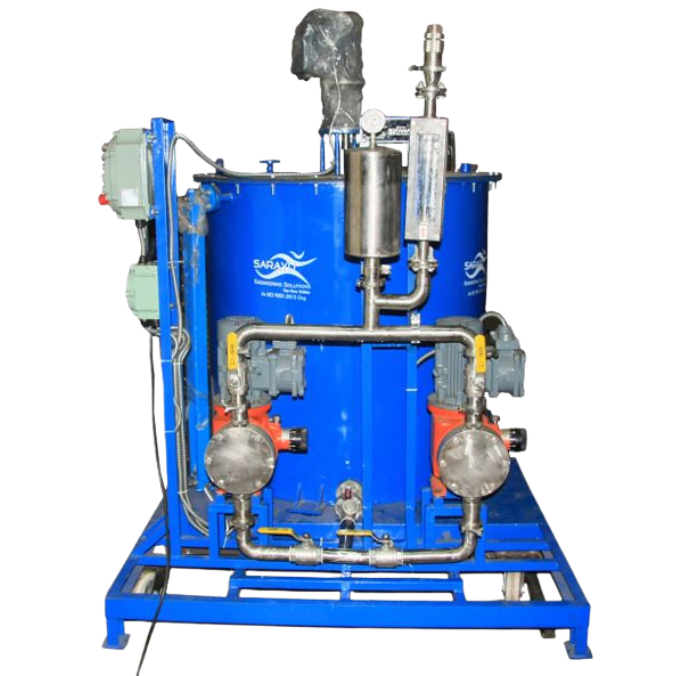
Dosing System In India: A Comprehensive Guide to Efficient and Precise Solutions
What is a Dosing System and why is it important? A Dosing System ensures precise and controlled delivery of liquids, chemicals, or additives across industries. From industrial to pharmaceutical applications, modern Dosing Systems offer automation, efficiency, and accuracy, making them essential for safe and reliable operations in various processes.
What is a Dosing System?
A Dosing System In India is designed to inject precise amounts of liquids, chemicals, or additives into a process stream. Its main purpose is to maintain consistency, ensure safety, and optimize operational efficiency. Whether it’s a liquid dosing for industrial processes or a pharmaceutical dosing for medicine production, these systems are engineered for accuracy and reliability
Dosing Pumps.
The core components of a Dosing usually include a dosing pump or metering pump, control mechanisms, storage tanks, and sometimes sensors for monitoring flow rates and concentrations. These components work together to achieve precise dosing, which is crucial in applications like water treatment, chemical processing, food and beverage production, and pharmaceutical manufacturing
Powerful Disperser Agitator
.
Types of Dosing Systems
1. Chemical Dosing System
A chemical dosing system In India is primarily used in industries such as water treatment, wastewater management, and chemical manufacturing. It accurately injects chemicals like chlorine, acids, or coagulants into water or industrial processes to maintain proper chemical levels. Dosing Systemsthe effectiveness of a chemical dosing system In India depends on the precision of the dosing pump and the calibration of the system.
2. Automatic Dosing System
An automatic dosing system is equipped with sensors and controllers that allow the system to adjust the dose based on real-time data. Unlike manual dosing, an automatic dosing system In India reduces human error, improves efficiency, and ensures that the right amount of liquid or chemical is added at the right time. These systems are widely used in industries where precision is critical, such as pharmaceuticals, food production, and chemical manufacturing.
3. Industrial Dosing System
The industrial dosing system is designed for heavy-duty applications, handling large volumes of liquids and chemicals. It is often integrated with other industrial processes, including chemical mixing, water treatment, and manufacturing lines. The industrial variant is robust, reliable, and capable of operating under high-pressure and continuous use conditions.
4. Liquid Dosing System
A liquid dosing system is used to accurately dispense liquids in controlled amounts. This type of Dosing System is common in industries where liquid additives must be precisely measured, such as in food and beverage production or pharmaceutical formulations. The liquid dosing system ensures uniformity and consistency, which is crucial for product quality and safety.
5. Water Treatment Dosing System
A water treatment dosing system is critical for maintaining water quality in municipal and industrial applications. It injects chemicals such as chlorine, fluoride, or anti-scalants into water to make it safe and suitable for use. Reliable dosing pumps are a key component of a water treatment system, as they ensure that chemical levels remain within desired limits to prevent contamination or scaling.
Key Components of a Dosing System
-
Dosing Pump: The heart of any Dosing System, a dosing pump ensures precise injection of liquids or chemicals.
-
Metering Pump: Often used interchangeably with dosing pump, a metering pump allows fine control over flow rate and dosage.
-
Control Unit: Modern Dosing Systems include electronic controllers or PLCs for automated operations.
-
Storage Tanks: Safe storage of chemicals or liquids before dosing.
-
Sensors and Flow Meters: Used in automatic dosing systems to measure and adjust the dosing rate.
Applications of Dosing Systems
Pharmaceutical Dosing System
A pharmaceutical dosing system is essential in medicine manufacturing. It ensures that active ingredients and excipients are mixed in precise ratios to maintain drug efficacy and safety. Automation in pharmaceutical dosing reduces errors, enhances reproducibility, and complies with stringent regulatory standards.
Food and Beverage Dosing System
In the food and beverage industry, a food and beverage dosing ensures consistent flavor, texture, and safety of products. For example, liquid additives, colorants, or preservatives can be precisely injected into beverages or sauces. A liquid dosing in this sector guarantees uniformity and minimizes wastage.
Industrial and Chemical Applications
Industrial dosing are commonly used in chemical processing, cooling towers, and water treatment plants. A chemical dosing can inject corrosive or hazardous chemicals safely, while a metering pump ensures precise delivery without operator intervention.
Advantages of Using a Dosing System
-
Precision: Accurate dosing reduces chemical wastage and improves process efficiency.
-
Automation: Automatic dosing minimize human intervention and errors.
-
Versatility: Works across multiple industries, from pharmaceuticals to food and beverage, water treatment, and chemical processing.
-
Cost Savings: Reduced chemical usage and operational efficiency save money.
-
Safety: Controlled dosing limits exposure to hazardous chemicals, ensuring a safer work environment.
Maintenance Tips for Dosing Systems
-
Regularly inspect dosing pumps and metering pumps for wear and tear.
-
Calibrate pumps periodically to maintain accurate dosing.
-
Check tubing, valves, and connections for leaks or blockages.
-
Ensure proper chemical storage to prevent contamination or degradation.
-
Follow manufacturer guidelines for cleaning and maintenance to prolong system life.
A Dosing System is a vital tool across numerous industries, offering precision, automation, and efficiency. Whether it’s a chemical dosing system for water treatment, an automatic dosing for industrial applications, a pharmaceutical dosing, or a food and beverage dosing, the benefits are clear: consistent quality, safety, and cost savings. With advanced dosing pumps, metering pumps, and automated controls, modern Dosing are more reliable and versatile than ever before.
By understanding the types, applications, and maintenance requirements of Dosing, businesses can optimize processes and ensure safe, precise dosing in every application.
FAQs about Dosing Systems
1. What is the main function of a dosing system?
A dosing system is designed to accurately inject liquids, chemicals, or additives into a process to ensure consistency, safety, and efficiency.
2. What is the difference between a dosing pump and a metering pump?
Both pumps perform similar functions, but a metering pump provides highly precise control over flow rates, making it ideal for critical applications.
3. Where are chemical dosing pumps commonly used?
Chemical dosing pumps are widely used in water treatment plants, chemical industries, and industrial processing where precise chemical control is essential.
4. How does an automatic dosing pump work?
An automatic dosing pump uses sensors and controllers to adjust dosing rates in real-time, minimising;; human error and ensuring accurate delivery.
5. Can a dosing pump be used in food and beverage production?
Yes, a food and beverage dosing pump ensures uniform flavour, colour, and ingredient consistency in beverages, sauces, and other consumables.