
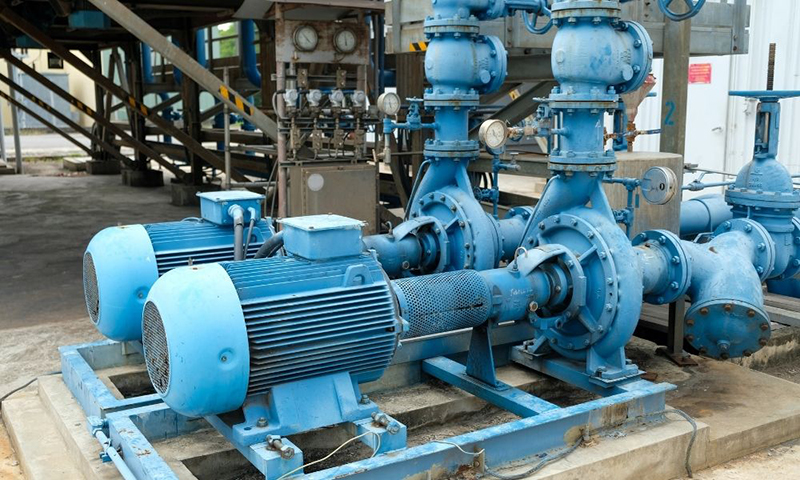
A diaphragm dosing pump is an essential device used in industries where precise chemical dosing is required. From water treatment plants to pharmaceutical manufacturing, the diaphragm dosing pump plays a crucial role in delivering accurate quantities of chemicals into a system. These pumps are designed to handle corrosive, toxic, or sensitive fluids with high precision and reliability.
A diaphragm dosing pump is also commonly referred to as a dchemical dosing pump, diaphragm metering pump, or dchemical metering pump. Because of its accuracy and efficiency, the dindustrial dosing pump has become a standard solution for industries that require controlled fluid transfer.
In this article, we will explore the dworking principle, types, applications, and benefits of diaphragm dosing pumps, along with guidance on choosing the right pump for industrial use.
What is a Diaphragm Dosing Pump?
A diaphragm dosing pump is a type of dpositive displacement pump used to inject precise volumes of liquid chemicals into a process line. The pump operates using a flexible diaphragm that moves back and forth, creating suction and discharge cycles that allow the liquid to be pumped accurately.
This type of dchemical metering pump is widely used because it provides consistent flow rates, making it ideal for chemical injection processes. A diaphragm metering pump is especially suitable for handling hazardous chemicals, acids, alkalis, and other aggressive fluids.
Compared to other pumping technologies, the diaphragm chemical dosing pump provides leak-proof operation because the diaphragm separates the liquid from the pump’s mechanical components. This feature makes the dindustrial diaphragm dosing pump highly reliable and safe.
How Does a Diaphragm Dosing Pump Work?
Understanding dhow a diaphragm dosing pump works helps industries choose the right system for chemical dosing applications.
A diaphragm dosing pump operates using a flexible diaphragm that moves in a reciprocating motion. This movement is generated by a mechanical, hydraulic, or electromagnetic drive mechanism.
The working process typically involves two main steps:
1. Suction Stroke
During the suction stroke, the diaphragm moves backward, creating a vacuum inside the pump chamber. This vacuum allows the liquid chemical to enter the chamber through the suction valve.
2. Discharge Stroke
When the diaphragm moves forward, the liquid is pushed out through the discharge valve and into the process system.
This precise movement ensures that the dchemical dosing pump delivers accurate and consistent flow rates. Because of this precision, the diaphragm metering pump is widely used in industries where controlled chemical dosing is critical.
Diaphragm Dosing Pump Working Principle
The diaphragm dosing pump working principle is based on positive displacement and diaphragm movement.
The pump consists of several key components:
Flexible diaphragm
Pump head
Suction valve
Discharge valve
Drive mechanism
Flow control system
The diaphragm acts as a barrier between the fluid and mechanical parts. When the drive mechanism moves the diaphragm back and forth, the chamber volume changes. This variation in volume draws liquid into the pump and then pushes it out with controlled pressure.
Because of this design, an dautomatic dosing pump can maintain precise chemical injection even under varying pressure conditions.
Modern delectric diaphragm dosing pump models use motors or electromagnetic drives to automate the dosing process. This allows operators to control the pump flow rate digitally or through programmable systems.
Types of Diaphragm Dosing Pumps
There are several types of diaphragm dosing pumps used in industrial applications.
Mechanical Diaphragm Dosing Pump
This type uses a motor-driven mechanism to move the diaphragm. It is commonly used as an dindustrial dosing pump in chemical processing plants.
Hydraulic Diaphragm Dosing Pump
Hydraulic pumps use hydraulic fluid to move the diaphragm. These pumps are ideal for high-pressure and high-accuracy applications.
Electromagnetic Diaphragm Dosing Pump
An delectric diaphragm dosing pump often uses electromagnetic technology. These pumps are compact, efficient, and commonly used in water treatment facilities.
Each type of dchemical dosing pump offers specific advantages depending on the application and required flow rate.
Applications of Diaphragm Dosing Pumps
A diaphragm dosing pump is widely used across many industries due to its precise chemical injection capabilities.
Water Treatment Industry
A diaphragm dosing pump for water treatment is used to inject chemicals such as chlorine, coagulants, and disinfectants into water systems. These pumps ensure accurate dosing to maintain water quality.
Wastewater Treatment
Wastewater treatment plants use dchemical metering pumps to add neutralizing agents, pH control chemicals, and flocculants.
Chemical Processing Industry
In chemical plants, an dindustrial diaphragm dosing pump ensures precise delivery of corrosive chemicals during manufacturing processes.
Pharmaceutical Industry
Pharmaceutical companies rely on diaphragm metering pumps for accurate dosing of active ingredients and process chemicals.
Food and Beverage Industry
An dautomatic dosing pump is used to add flavoring agents, preservatives, and cleaning chemicals during food processing.
Advantages of Diaphragm Dosing Pumps
There are several reasons why industries prefer using a diaphragm chemical dosing pump.
High Accuracy
A diaphragm dosing pump provides precise and consistent flow rates, which is critical for chemical dosing applications.
Leak-Free Operation
The diaphragm acts as a barrier between the chemical and mechanical parts, preventing leaks and contamination.
Chemical Resistance
A dchemical dosing pump can handle aggressive fluids, acids, and corrosive chemicals safely.
Low Maintenance
Compared to other pump types, an dindustrial dosing pump requires minimal maintenance due to fewer moving parts.
Automation Compatibility
Modern dautomatic dosing pumps can be integrated with control systems for fully automated chemical dosing.
Choosing the Right Diaphragm Dosing Pump
Selecting the correct diaphragm dosing pump depends on several factors.
Flow Rate Requirement
The pump must be able to deliver the required chemical dosage accurately.
Pressure Rating
An dindustrial diaphragm dosing pump should match the pressure requirements of the system.
Chemical Compatibility
The diaphragm material must be compatible with the chemicals being pumped.
Automation Needs
If the process requires automation, an delectric diaphragm dosing pump may be the best option.
Manufacturer Reputation
Choosing reliable diaphragm dosing pump manufacturers ensures high-quality performance and long-term durability.
Maintenance of Diaphragm Dosing Pumps
Regular maintenance helps extend the life of a diaphragm metering pump.
Important maintenance steps include:
Inspecting the diaphragm regularly
Checking suction and discharge valves
Cleaning the pump head
Monitoring flow rate accuracy
Replacing worn components
Proper maintenance ensures that the dchemical metering pump continues to operate efficiently and accurately.
A diaphragm dosing pump is an essential device for industries that require accurate chemical dosing. Whether used in water treatment, pharmaceuticals, or chemical processing, the dchemical dosing pump provides reliable and precise fluid delivery.
With advanced technologies like the dautomatic dosing pump and delectric diaphragm dosing pump, industries can automate their dosing processes and improve operational efficiency. By choosing a high-quality dindustrial diaphragm dosing pump from trusted diaphragm dosing pump manufacturers, businesses can ensure safe, accurate, and long-lasting performance.
FAQs
1. What is a diaphragm dosing pump used for?
A diaphragm dosing pump is used to inject precise amounts of chemicals into industrial processes such as water treatment, chemical manufacturing, and pharmaceutical production.
2. How does a diaphragm dosing pump work?
A diaphragm dosing pump works by moving a flexible diaphragm back and forth, creating suction and discharge cycles that pump the liquid accurately.
3. What is the difference between a chemical dosing pump and a diaphragm metering pump?
A dchemical dosing pump is a general term for pumps used for chemical injection, while a diaphragm metering pump specifically uses a diaphragm mechanism for precise dosing.
4. Where are diaphragm dosing pumps commonly used?
A diaphragm dosing pump for water treatment, wastewater treatment plants, chemical industries, pharmaceutical manufacturing, and food processing facilities.
5. How do I choose the right diaphragm dosing pump?
To choose the right dindustrial dosing pump, consider factors such as flow rate, pressure requirements, chemical compatibility, automation needs, and reliable diaphragm dosing pump manufacturers.