
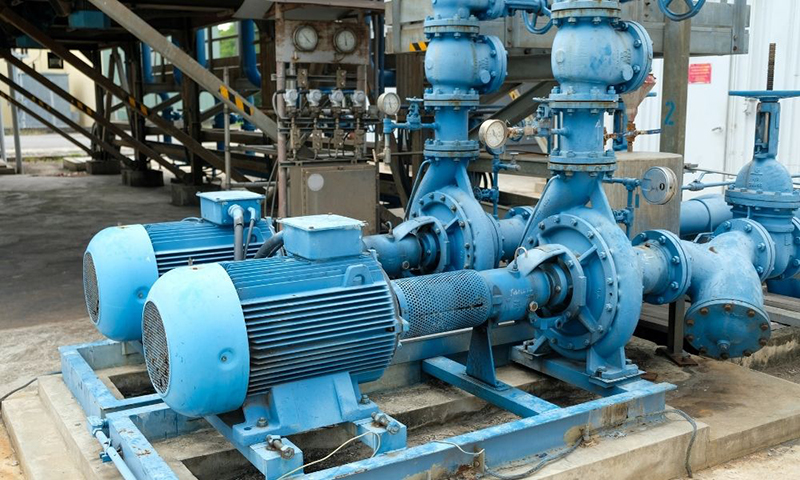
Industrial Process Pumps In India: The Backbone of Modern Industry
In the ever-evolving world of industrial operations, industrial process pumps In India play a pivotal role in maintaining fluid movement, ensuring safety, and maximizing efficiency. From transporting water, oil, and chemicals to managing the flow in large-scale production facilities, industrial process pumps are indispensable in a wide variety of sectors including oil & gas, chemical manufacturing, pharmaceuticals, food processing, and more.
These high-performance pumps are engineered to handle complex tasks, such as high-pressure operations, corrosive fluids, and extreme temperatures. With the growing demand for reliable and efficient equipment, the need for trusted industrial pump suppliers and high-quality industrial pump supply is more crucial than ever.
What Are Industrial Process Pumps In India?
Industrial process pumps In India are mechanical devices designed to move liquids, gases, or slurries from one place to another during industrial operations. These pumps are engineered for continuous, heavy-duty operations and are available in various configurations such as centrifugal, diaphragm, gear, screw, and peristaltic types.
They are widely used in industries where precise fluid control is required, particularly where materials need to be transported under high pressure or where safety and reliability are critical concerns.
Industrial Pump Suppliers and the Importance of Quality
Finding reliable industrial pump suppliers is vital to ensure that the right pump is used for the right application. Reputable suppliers not only offer high-quality pumps but also provide after-sales support, technical assistance, and spare parts — all of which are crucial for uninterrupted industrial operations.
Top industrial pump supply companies also offer customized solutions, helping industries select pumps that align with specific requirements such as fluid viscosity, operating temperature, chemical compatibility, and system pressure.
Types of Industrial Process Pumps In vadodara
There is a wide variety of industrial pump supply, each suited to specific applications:
1. Centrifugal Pumps
These are the most commonly used pumps in industries. They use a rotating impeller to move fluids and are ideal for low-viscosity liquids and high-flow applications.
2. Positive Displacement Pumps
These include gear, screw, diaphragm, and peristaltic pumps. They are used for high-pressure applications and for transferring viscous fluids or slurries.
3. Industrial Oil Pumps
Industrial oil pumps are specifically designed for transferring and circulating oils in mechanical systems. These pumps are critical in industries like automotive, manufacturing, and energy, where lubrication and heat transfer are required.
Pumps Used in Chemical Industry
One of the most demanding sectors for pump performance is the chemical industry. Industrial chemical pumps are specially built to withstand highly corrosive and hazardous fluids, ensuring safety and efficiency in harsh environments.
Common pumps used in the chemical industry include:
-
Magnetic drive pumps: These are seal-less pumps ideal for hazardous chemical transfer, preventing leakage and environmental contamination.
-
Diaphragm pumps: These handle corrosive chemicals and slurries with ease, making them suitable for batch processing and dosing.
-
Teflon-lined centrifugal pumps: Used where extreme chemical resistance is required.
Reliability in these applications is critical, as a pump failure could result in toxic leaks or process shutdowns.
Manufacturing Process of Pumps
Understanding the manufacturing process of pumps offers insight into the precision and engineering required to meet industrial standards. The process generally includes:
-
Design & Prototyping: Engineers use CAD and simulation tools to design pumps tailored to application needs.
-
Material Selection: Based on the application — such as corrosive environments or high-pressure systems — appropriate metals, plastics, or composites are chosen.
-
Casting and Machining: Impellers, casings, and shafts are cast and machined to tight tolerances.
-
Assembly: All components are assembled, including seals, bearings, and motors.
-
Testing: Pumps undergo hydraulic, performance, and pressure testing to ensure they meet design criteria.
Each stage is crucial to producing a pump that is reliable, durable, and compliant with industry regulations.
Key Considerations When Choosing manufacturing process of pumps
When selecting manufacturing process of pumps , several factors must be considered:
-
Type of fluid: Is it abrasive, corrosive, or viscous?
-
Flow rate and pressure: What volume needs to be moved and at what pressure?
-
Operating environment: Will the pump be exposed to high temperatures, humidity, or hazardous chemicals?
-
Maintenance needs: How easy is it to maintain or replace parts?
-
Energy efficiency: Is the pump designed for energy optimization?
Working closely with experienced industrial pump suppliers ensures that the right choice is made based on these critical factors.
Emerging Trends in Industrial Pump Supply
The industrial pump supply market is evolving rapidly with advancements in technology:
-
Smart pumps: Featuring IoT connectivity, these pumps allow remote monitoring and predictive maintenance.
-
Energy-efficient models: Manufacturers are focusing on pumps that reduce energy consumption and environmental impact.
-
Modular pump systems: Easily configurable for different applications, these reduce downtime during maintenance or system upgrades.
These trends reflect a shift toward more intelligent, sustainable, and adaptable industrial systems.
Applications of pumps used in chemical industry Across Industries
From pharmaceuticals to mining, pumps used in chemical industry serve as essential tools in:
-
Water and wastewater treatment
-
Food and beverage processing
-
Petroleum refining
-
Chemical manufacturing
-
Textile and paper production
-
Steel and metal processing
Each industry has unique requirements, which is why choosing the right type of pump — such as industrial oil pumps or industrial chemical pumps — is so critical to long-term operational success.
Summery
industrial pump supply are more than just fluid transfer devices; they are vital components of modern industry. With growing complexity in industrial processes, the demand for high-performance, durable, and reliable pumping systems continues to rise. Choosing the right industrial pump supply, understanding the manufacturing process of pumps, and working with experienced industrial pump suppliers can make a significant difference in productivity, safety, and operational efficiency.
Whether it's pumps used in the chemical industry or industrial oil pumps for lubrication, investing in the right pump technology is essential for any industrial setup.
FAQs- manufacturing process of pumps
1. What are manufacturing process of pumps used for?
manufacturing process of pumps are used to transport liquids, slurries, and gases across various industrial applications such as oil refineries, chemical plants, food processing units, and wastewater treatment facilities.
2. Which pumps are commonly used in the chemical industry?
The chemical industry uses magnetic drive pumps, diaphragm pumps, and Teflon-lined centrifugal pumps due to their corrosion resistance and ability to handle hazardous fluids safely.
3. How do I choose the right industrial process pump?
Factors like the type of fluid, pressure requirements, temperature, and environmental conditions must be considered. Consulting experienced industrial pump suppliers ensures the best selection for your needs.
4. What is the life expectancy of an industrial process pump?
With proper maintenance, high-quality industrial process can last 10 to 20 years or more. Regular inspections, lubrication, and part replacements extend pump life.
5. Are there energy-efficient industrial pumps available?
Yes, many modern industrial pump supply brands offer energy-efficient pumps with variable speed drives, smart monitoring, and advanced hydraulics to reduce energy consumption and costs.