
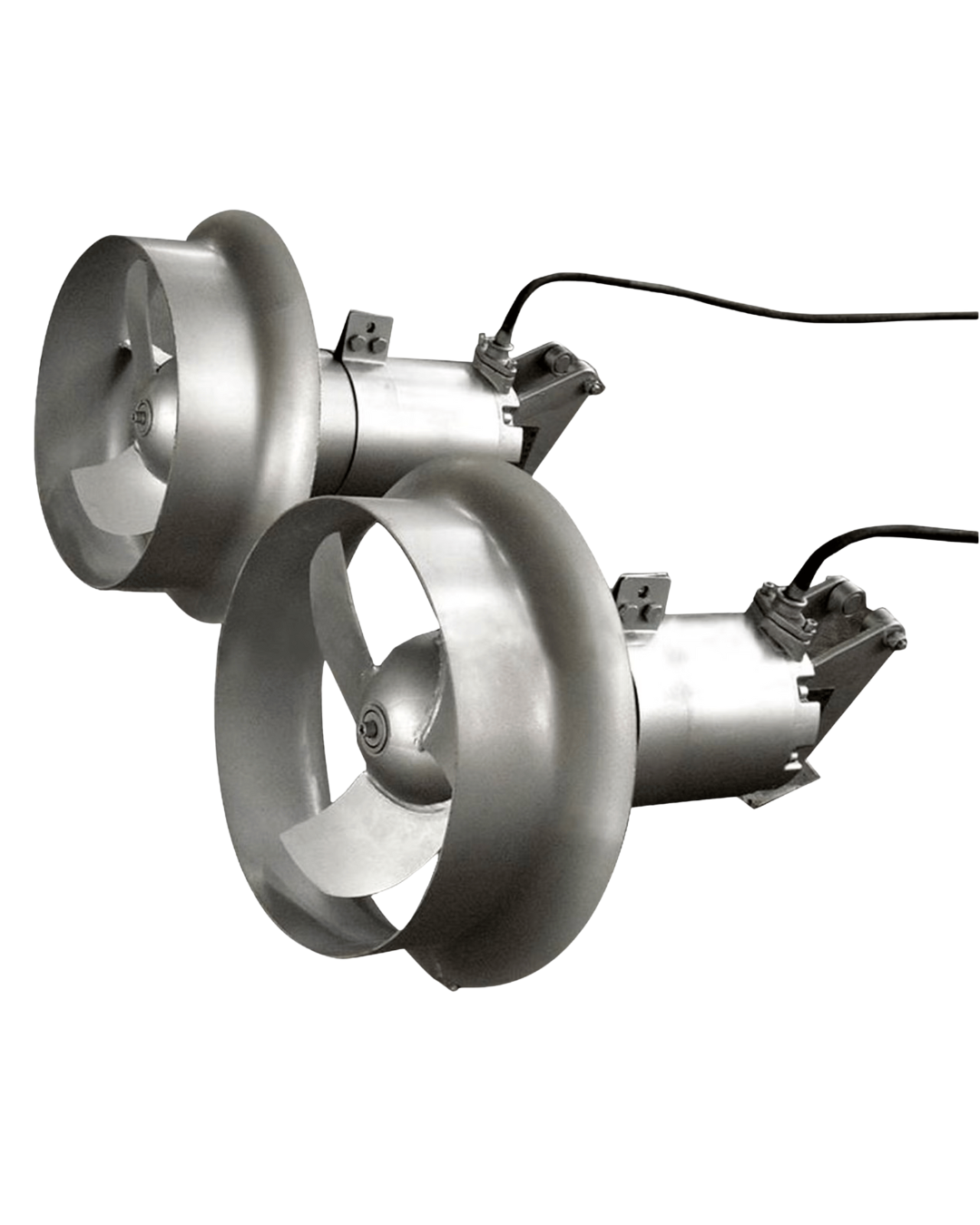
Submersible Mixer: The Ultimate Solution for Efficient Wastewater Mixing
A submersible mixer is a powerful, energy-efficient piece of equipment designed to optimize the mixing and homogenization of fluids in various industrial and municipal applications. From wastewater treatment plants to industrial processing units, submersible mixers play an essential role in maintaining consistent water quality, preventing sedimentation, and ensuring smooth treatment operations
Trusted Electronic Dosing Pumps Manufacturer in India for Industrial & Water Treatment Needs
What is a Submersible Mixer?
A submersible mixer is an underwater mechanical device used to mix liquids in tanks, lagoons, and treatment basins. The unit typically consists of a motor, propeller, and drive shaft that work together to generate a strong flow pattern. This motion helps keep solid particles in suspension, prevents sludge accumulation, and enhances oxygen distribution in aeration tanks.
Unlike surface aerators, submersible mixers operate completely submerged in water, which makes them quieter, more efficient, and easier to maintain. Their sealed design also ensures long-term protection against corrosion and mechanical wear.
Your Reliable Partner for Electronic Dosing Pumps in India
Submersible Agitator: Powerful Mixing for Heavy-Duty Applications
A submersible agitator is a type of submersible mixer designed for heavy-duty industrial and municipal applications. It is used in processes that require strong turbulence and intensive mixing, such as sludge digestion, equalization tanks, and biogas plants.
The submersible agitator features a high-torque motor and a propeller optimized for high flow and energy efficiency. These devices are built to withstand challenging environments containing fibrous materials, grit, and solids. Their compact design makes installation simple, and their robust construction ensures long service life with minimal maintenance.
Submersible Mixer for Wastewater Treatment
A submersible mixer for wastewater treatment is a critical component in modern sewage and effluent management systems. In wastewater treatment plants, proper mixing is crucial to maintain biological balance and ensure efficient breakdown of organic materials.
Submersible Mixer In India
The submersible mixer promotes uniform oxygen distribution and prevents sludge from settling at the bottom of tanks. It helps to stabilize microbial activity, improve nutrient distribution, and enhance the overall treatment efficiency. These mixers are often installed in aeration tanks, anoxic zones, equalization basins, and sludge holding tanks.
High-quality submersible mixers for wastewater treatment reduce energy consumption and operational costs while maintaining optimal fluid dynamics within the system.
Submersible Mixer Pump: Dual Functionality for Maximum Efficiency
A submersible mixer pump combines the functions of a mixer and a pump in one unit. It can not only mix and homogenize liquids but also transport the fluid from one point to another. This dual-function design is particularly beneficial in wastewater applications where circulation and transfer are both required.
The submersible mixer pump is ideal for managing fluids containing solids, fibrous materials, and sludge. It ensures continuous movement of liquid while preventing blockages and sediment buildup. These pumps are typically made from corrosion-resistant materials such as stainless steel or cast iron to handle aggressive environments.
Submersible Propeller Mixer: Precision Mixing with High Flow Rates
The submersible propeller mixer is one of the most popular designs used in wastewater treatment plants. It features specially designed propellers that produce a high-volume, low-speed flow — perfect for large tanks and lagoons.
The propeller’s geometry is optimized to achieve maximum thrust with minimal power consumption. This makes submersible propeller mixers ideal for applications requiring constant flow circulation, such as equalization tanks, sludge basins, and oxidation ditches.
Moreover, these mixers can be installed at various angles and depths to achieve the desired flow pattern, making them adaptable for different tank shapes and fluid characteristics.
Submersible Mixing System: Complete Solutions for Industrial Applications
A submersible mixing system refers to a comprehensive setup that includes one or more submersible mixers, mounting systems, control panels, and automation components. This integrated system ensures efficient and reliable mixing for industrial processes such as wastewater treatment, chemical processing, and food production.
The submersible mixing system can be tailored to suit the specific needs of each facility. Engineers design the system to maintain optimal velocity gradients, prevent dead zones, and ensure consistent fluid motion. Modern systems often include smart controls and sensors for real-time performance monitoring and energy optimization.
Submersible Mixer Motor: The Heart of the Equipment
At the core of every submersible mixer lies its motor — a critical component responsible for generating torque and driving the propeller. The submersible mixer motor is designed for continuous underwater operation, with high-grade sealing systems to prevent water ingress.
Typically, these motors are oil-filled for superior cooling and lubrication. They come with thermal protection systems and high-efficiency windings to ensure long life and stable performance. The use of stainless steel or marine-grade materials enhances resistance to corrosion, while precision engineering minimizes vibration and noise during operation.
A reliable submersible mixer motor ensures smooth operation, low energy consumption, and extended equipment lifespan.
Submersible Mixer Design: Engineered for Efficiency and Durability
The design of a submersible mixer directly impacts its performance and reliability. Manufacturers use advanced fluid dynamics simulations to develop propellers that generate high thrust with minimal energy usage. The streamlined housing and optimized propeller geometry minimize turbulence losses and maximize flow efficiency.
Key design considerations include:
-
Hydrodynamic efficiency for consistent mixing performance.
-
Compact and lightweight structure for easy installation.
-
Corrosion-resistant materials to withstand harsh wastewater environments.
-
Low vibration and noise levels for smooth operation.
A well-engineered submersible mixer design results in reduced maintenance, longer service intervals, and improved energy savings — essential for modern wastewater management systems.
Submersible Mixer Specifications: Understanding Key Parameters
When choosing the right submersible mixer, it’s important to understand its technical specifications. These specifications determine the mixer’s suitability for a particular application:
-
Power rating: Typically ranges from 1 kW to 30 kW depending on tank size and fluid type.
-
Propeller diameter: Larger diameters create higher flow rates at lower speeds.
-
Thrust output: Indicates mixing strength and flow velocity.
-
Speed (rpm): Determines the level of turbulence and circulation.
-
Material construction: Stainless steel or cast iron for corrosion resistance.
-
Installation type: Guide rail, portable, or fixed-mount options.
Selecting a mixer with the right submersible mixer specifications ensures optimal performance, energy efficiency, and long-term reliability.
Conclusion
A submersible mixer is indispensable in modern wastewater treatment and industrial mixing processes. Its ability to provide efficient, consistent, and cost-effective mixing makes it a preferred choice for engineers and plant operators worldwide.
Whether you’re installing a submersible agitator, submersible mixer pump, or a complete submersible mixing system, investing in a well-designed and properly specified mixer will deliver years of dependable performance.
FAQs
1. What is the main purpose of a submersible mixer?
A submersible mixer is used to mix and circulate liquids in tanks or basins, preventing sedimentation and improving oxygen distribution in wastewater treatment systems.
2. How does a submersible mixer work?
It operates underwater, using a propeller driven by an electric motor to create flow patterns that keep solids suspended and ensure uniform mixing.
3. What are the advantages of a submersible mixer over surface mixers?
Submersible mixers are quieter, more energy-efficient, and require less maintenance since they operate completely underwater.
4. Where are submersible mixers commonly used?
They are widely used in wastewater treatment plants, industrial effluent systems, biogas plants, and chemical processing facilities.
5. How do I select the right submersible mixer for my application?
Choose a mixer based on tank size, fluid viscosity, power requirement, propeller type, and material compatibility with your process environment.