

Industrial Process Pumps
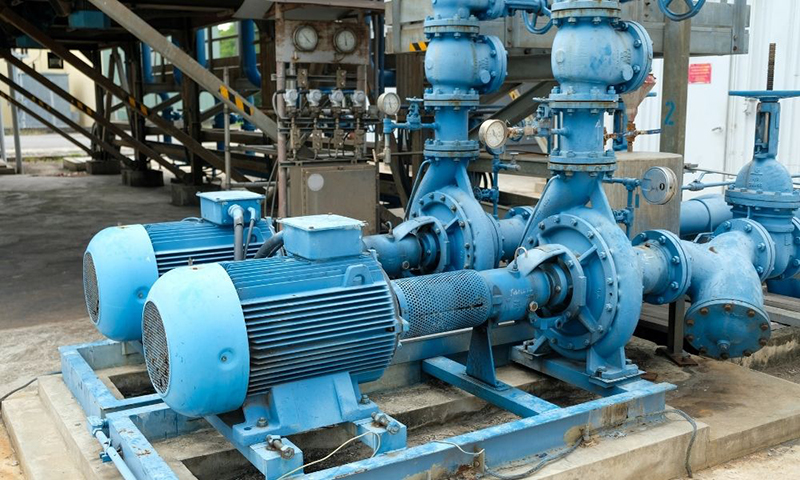
In the dynamic world of industrial manufacturing and processing, industrial process pumps in India play a crucial role in ensuring the smooth flow of liquids, chemicals, slurries, and other materials. Whether it’s the oil and gas industry, chemical plants, food processing units, or water treatment facilities industrial are at the core of reliable and efficient operations.
These pumps are engineered to handle tough environments, high pressures, and continuous operations making them one of the most vital components in modern industry. In this blog, we’ll explore what industrial are, their types, working principles, applications, benefits, and why choosing the right pump is essential for productivity and safety IoT Based Industrial Automation for Pump
What Are Industrial Process Pump?
Industrial process are heavy-duty machines designed to transfer fluids including water, oil, chemicals, slurries, and other viscous materials from one point to another within industrial systems. They maintain continuous flow and pressure, ensuring that manufacturing and processing units function efficiently.
Unlike domestic or light-duty pumps, submersible process pumps are built with robust materials such as stainless steel, cast iron, or special alloys to resist corrosion, high temperature, and chemical reactions. Their design focuses on performance, longevity, and energy efficiency.
Types of Industrial Pumps
Different industries require different pump designs based on fluid type, viscosity, pressure, and application. Here are the major types of Industrial pump manufacturers used across sectors:
1. Centrifugal Pumps
Centrifugal process pumps are the most common type, known for their simplicity and reliability. They use rotational energy from an impeller to move liquid through the system. These pumps are widely used in water treatment plants, food industries, and chemical processing.
2. Positive Displacement Pumps
Positive displacement pumps move a fixed volume of fluid through each cycle. They are ideal for high-viscosity materials and applications that require consistent flow rates. Examples include gear pumps, diaphragm pumps, and screw pumps.
3. Chemical Process Pumps
Specifically designed to handle aggressive or corrosive chemicals, chemical process pumps are made from high-grade materials such as stainless steel, PVDF, or PTFE. These pumps are commonly found in chemical plants, refineries, and pharmaceutical industries.
4. Submersible Process Pumps
Submersible process pumps operate underwater or within the liquid being pumped. They are perfect for dewatering, wastewater treatment, and mining operations where pumping fluids from deep levels is required.
5. High-Pressure Process Pumps
Used in industries that require fluids to be moved under extreme pressure, high-pressure pumps ensure consistent output for processes like reverse osmosis, power generation, and petrochemical operations.
How Do Industrial Process Pump Work?
The working principle of industrial pumps In India depends on their type, but the main concept remains the same converting mechanical energy into fluid movement.
-
In centrifugal pumps, the rotating impeller increases the velocity of the liquid, which is then converted to pressure energy.
-
In positive displacement pumps, a chamber traps a fixed amount of fluid and discharges it through mechanical motion.
Both mechanisms are essential for various industrial applications where continuous, high-efficiency fluid movement is required
Dosing Pump Spares
.
Applications of Process pump maintenance
The versatility of industrial process makes them essential across a wide range of industries. Let’s explore some common applications:
-
Chemical Industry: For transferring corrosive or hazardous liquids safely.
-
Oil & Gas Industry: Used in refineries, pipelines, and offshore platforms to move crude oil and fuel.
-
Water Treatment Plants: For filtration, pressure boosting, and wastewater management.
-
Food & Beverage Industry: To handle liquids such as milk, juices, syrups, and sauces hygienically.
-
Pharmaceutical Industry: For sterile and precise fluid transfer in drug manufacturing.
-
Mining and Metallurgy: For slurry handling and dewatering processes.
-
Power Generation: Circulating water and chemicals in cooling and boiler systems.
Every industry relies on industrial to maintain operational continuity, reduce downtime, and enhance production efficiency
Dosing Pump Spares.
Benefits of Industrial Pumps
Using high-quality process pumps offers numerous benefits for industrial operations:
-
Improved Efficiency: Designed for continuous and smooth operation, these pumps ensure minimal energy loss.
-
Durability and Longevity: Built from corrosion-resistant materials, they perform reliably in tough environments.
-
Reduced Maintenance: Advanced design and precision engineering minimize wear and tear.
-
Safety and Reliability: Suitable for hazardous or flammable liquids, reducing risks during operations.
-
Customizability: Industrial pumps can be customized for specific flow rates, pressures, and materials.
These benefits make industrial pumps indispensable in maintaining the productivity and sustainability of modern industries.
Key Factors to Consider When Choosing an Industrial Process Pump
Selecting the right industrial process pump is critical for maximizing efficiency and performance. Here are some factors to consider:
-
Type of Fluid: Determine if the fluid is viscous, corrosive, or abrasive.
-
Flow Rate and Pressure Requirements: Ensure the pump can handle your system’s needs.
-
Temperature Range: Choose materials that can withstand operating temperatures.
-
Energy Efficiency: Opt for pumps designed for minimal energy consumption.
-
Maintenance and Spare Parts Availability: Go for reliable brands with easy-to-replace parts.
A well-chosen industrial process pump enhances reliability, reduces costs, and supports long-term sustainability.
Maintenance and Troubleshooting of Industrial Process
To ensure optimal performance, regular maintenance of submersible process pumps is essential. Key maintenance steps include:
-
Checking seals and bearings for wear
-
Lubricating moving parts regularly
-
Monitoring vibration and noise levels
-
Inspecting for leaks or corrosion
-
Performing routine cleaning of impellers and filters
Early detection of issues like reduced flow, overheating, or excessive noise helps prevent breakdowns and costly repairs.
Future Trends in Industrial Process Pump Technology
As industries embrace digital transformation, submersible process pumps are also evolving. The latest trends include:
-
Smart Pumps with IoT Integration: Real-time monitoring of pump performance and predictive maintenance.
-
Energy-Efficient Designs: Focus on reducing energy consumption and carbon footprint.
-
Advanced Materials: Development of corrosion-resistant and lightweight alloys.
-
Automation and Control Systems: Integration with PLCs and SCADA for precise process control.
These innovations ensure that submersible process pumps remain efficient, reliable, and sustainable for future industrial challenges.
From simple fluid transfer to complex chemical processes, positive displacement pumps are the heart of industrial operations. They enable efficiency, safety, and productivity in every sector. Investing in high-quality, well-maintained pumps not only reduces operational costs but also extends the lifespan of your entire production system.